Gloves, Tips and Wishful Thinking: The UK Lab Plastic Ledger We Still Aren't Keeping

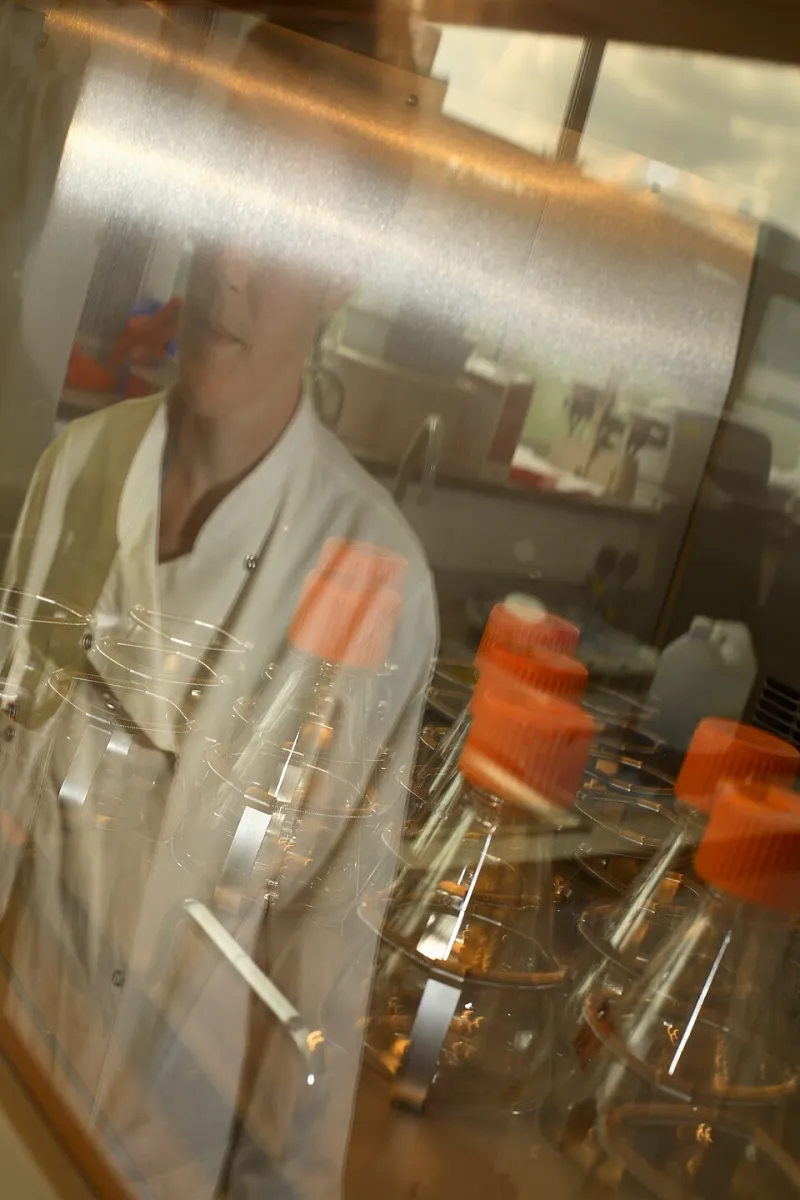
Photo: Thompson Yates and Johnston Laboratories, Public domain, via Wikimedia Commons
Walk into almost any UK university lab and you will find the same object under the bench: a black bag. It is usually lined with another black bag, tied with a cable tie, and destined for a waste stream that most researchers could not name without checking a induction slide. Inside it: gloves, tip boxes, wrappers, maybe a broken flask. The bag is the problem. It is also the only accounting system many labs have.
In 2026, UK biotech and university science have no shortage of sustainability language. Estates teams have net-zero targets. Funders ask for responsible research statements. Suppliers print recycling logos on catalogues. Yet ask a lab manager how many kilograms of single-use plastic their lab bought last month, and how much was recycled, and the answer is often a shrug. That gap is the story.
The pledge is not the problem
The problem is not that labs do not care. Most people who spend their day pipetting care quite a lot about waste. The problem is that the systems around them measure the wrong things. Waste contracts are usually priced by bin lift or by weight per stream, not by material type. Procurement is centralised. Safety rules are strict, rightly so. Recycling schemes are patchy. And nobody has time to become an amateur waste auditor on top of a PhD.
So pledges multiply while the black bag stays black.
What actually gets collected
There are genuine take-back schemes in the UK market. Some suppliers run collections for pipette tip boxes, gloves or rigid plastic packaging. Some universities have pilot schemes for clean, non-contaminated lab plastics. Some autoclave and shred routes exist for certain waste streams. These are worth using. They are also not a system.
A tip box is easy to recycle when it is empty and uncontaminated. A glove is not. A culture flask is not, unless it has been decontaminated and the local waste contractor accepts the resulting plastic. A pipette tip that has touched a bacterial culture is not the same object as a tip that has touched water. The word 'lab plastic' hides a dozen different waste streams with different rules, risks and costs.
That is why headline recycling rates can be misleading. A lab might report that it recycles cardboard, glass and some packaging, then quietly incinerate the majority of its disposable plastic. Autoclaving reduces volume and makes material safe, but it does not make plastic disappear. Sterilisation is not recycling. It is a pre-treatment.
Procurement: the blocker nobody budgets for
The quiet barrier is procurement. In many UK institutions, labs do not choose their waste contractor. Estates does. Labs may not choose the supplier either; framework agreements and central catalogues do. A researcher can want a take-back scheme, but if the catalogue lists a different glove or flask, the scheme is irrelevant.
This is not a conspiracy. Procurement exists to get consistent prices and compliance. But it means sustainability is often decided before a lab technician ever opens a box. If the contract does not include take-back, or if the waste route excludes contaminated plastics, the bench-level choice is already made.
There is also a safety layer. Waste contractors and environment agencies are rightly cautious about contaminated lab waste. No one wants a recycling pilot that compromises biosafety. But caution can become inertia when the default is 'clinical or offensive waste' for anything that looks scientific. That default is safe, but it is not a material strategy.
Pilots are useful, but they are not a system
Several UK universities have run green-lab pilots, often through estates, sustainability teams or student-led programmes. Some use standard frameworks such as LEAF or My Green Lab. Others build their own trials: separate benches, colour-coded bins, decontamination protocols, weigh-ins, and a supplier take-back route for rigid plastics.
These pilots are valuable because they show what is possible. They also tend to have a familiar life cycle. A keen PhD student runs a trial. The trial gets good numbers. The report is published. Then the student graduates, the bins disappear, and the black bag returns. The missing ingredient is not enthusiasm. It is a permanent accounting line and a named owner.
A simpler ledger you can defend
Here is the argument I would make to any UK lab, department or biotech company in 2026: stop trying to claim a recycling rate you cannot verify. Start keeping a ledger you can defend.
For each lab, each month, record four numbers. First, total single-use plastic purchased, by weight where possible, from procurement data. Second, the proportion that is uncontaminated and eligible for a take-back or recycling route. Third, the weight actually sent for recycling. Fourth, the weight sent for incineration or energy recovery. Add one more: contamination rate, or the number of rejected recycling bags.
That is it. No heroic claims. No vague 'sustainable lab' badge. Just a ledger. If the numbers look bad, they probably are. That is useful information.
This approach also shifts the conversation upstream. If a lab knows it buys 40 kilograms of gloves a month and recycles none of them, the next procurement review has a concrete question: can we switch to a supplier with a take-back route, or a glove that generates less waste? If a department knows its culture flasks are all going to incineration, it can ask whether a decontamination and rigid-plastic route is feasible. If a university knows its waste contract does not measure material type, it can ask for that in the next tender.
The UK waste hierarchy is not complicated: prevent, reuse, recycle, recover, dispose. Labs tend to jump straight to dispose because it is safe, familiar and easy to procure. A ledger makes the earlier options visible.
Start with one bench
None of this requires a new committee. Start with one bench, one month and one spreadsheet. Count the boxes. Weigh a representative bag. Ask the contractor where it goes. Ask procurement what you bought. Put the numbers in a slide and show your lab manager.
The honest answer may be uncomfortable: most lab plastic is not recycled, and the schemes that exist are partial. But an uncomfortable number is better than a comfortable pledge. In 2026, UK biotech does not need another glossy sustainability statement. It needs a bin that is counted.