The Trust Fall on Passage Three: A Cell-Line Audit for UK Benches
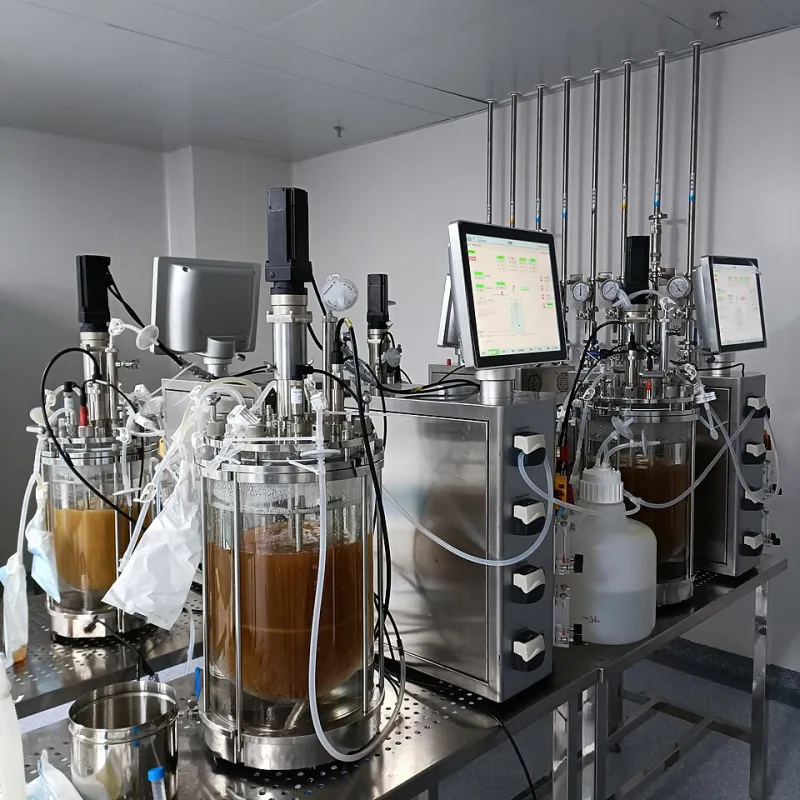
Photo: Habin Zhang, CC BY-SA 4.0, via Wikimedia Commons
Every lab has a flask with a folklore problem. The label says HeLa, or HEK293, or maybe just ‘MC-7 — do not bin’. A previous student swears it was authenticated. The freezer log has a signature that looks like a weather map. And the next experiment is already booked.
That is the moment to run a cell-line authentication audit. Not a full quality-management epic. Just twenty minutes at the bench and a folder of records, enough to decide whether the cells are what they say they are, whether they are clean, and whether you can prove both. In 2026, with UK labs under pressure to make every reagent pound and every repeat count, this is less bureaucracy and more self-defence.
Start with the label, not the legend
A cell line’s identity is a chain of custody, not a vibe. Before you thaw anything, find the paper trail: where the line came from, who last authenticated it, what passage number it is at, and which master or working bank it belongs to. If the answer is ‘it was in the back of the fridge when I joined’, treat that as a starting point for verification, not a provenance story.
The first red flag is usually simple. A label with no date. A supplier name that has been Sharpied over. A passage number that has not moved in three years. None of these prove contamination or misidentification on their own, but they mean the twenty-minute audit has just become compulsory.
The twenty-minute bench audit
You do not need a committee to do the first pass. You need a checklist and a sceptical eye.
-
Check the source record. Can you find the original supplier or depositor, catalogue number, lot number and any material transfer agreement? For human-derived material, check whether the line falls under your Human Tissue Authority licence and consent arrangements. If it does, speak to your HTA-designated individual before you aliquot. That is a stop sign, not a paperwork niggle.
-
Find the STR profile. Short tandem repeat profiling is the standard identity check for human cell lines. Compare your line against the reference profile from the original repository or supplier. A match is reassuring. A mismatch is a result, not an inconvenience. Do not quietly round it off.
-
Look for a mycoplasma result. Mycoplasma testing should be recent enough to mean something for your culture. PCR and luminometric assays are common; whatever method your lab uses, the record should show the date, the sample, the method and the result. ‘We tested it once’ is not a date.
-
Check the passage and bank history. A master bank and a working bank are there to limit drift and stop every experiment becoming a separate adventure. If your lab is running from a passage number that nobody can trace, the audit has found its first genuine weakness.
-
Inspect the culture itself. Cloudy medium, slow growth, odd morphology or a sudden change in doubling time are not diagnoses, but they are reasons to quarantine and test. A healthy-looking flask is not evidence of identity or sterility.
-
Confirm the paperwork matches the vial. Catalogue number, lot, date received, storage location, freeze-back records and any ethical or licensing conditions should line up. If the vial says one thing and the freezer database says another, trust neither until you have resolved it.
What UK suppliers and collections should give you
A reputable culture collection or supplier should be able to provide an authentication certificate, a mycoplasma testing statement and clear provenance. In the UK, ECACC, ATCC and DSMZ are familiar names for many labs, but the principle matters more than the logo: ask for the documents, read them, and file them where the next person can find them.
Be wary of ‘research-grade’ as a substitute for ‘authenticated’. It is a useful label, not a magic spell. If you are buying from a new supplier, ask whether the line has been STR-profiled and whether the certificate travels with the lot. If the answer is vague, budget for your own verification. That is not distrust; it is the cost of reproducible science.
Quarantine first, argue later
New arrivals should not go straight into the main incubator. Quarantine them, test them, and keep them separate until the identity and mycoplasma checks are back. This is especially important in shared labs, where one contaminated flask can become a building-wide problem before anyone notices.
For students, the practical rule is simple: never assume a cell line is authenticated because someone senior looks confident. Ask where the certificate is. For lab managers, the audit is a chance to fix the system rather than blame the last person who used the flask. A shared spreadsheet with supplier, lot, STR result, mycoplasma date and passage number is unglamorous and enormously useful.
When to walk away
If the identity cannot be confirmed, the mycoplasma status is unknown and the provenance is a verbal history, do not build a project on it. Either re-source the line from a verified collection or run the proper checks before it touches an experiment. The quiet failures are the expensive ones: a misidentified line can waste months, and a contaminated culture can invalidate a whole batch of results.
The twenty-minute audit will not solve every quality problem in your lab. But it will catch the ones that hide in plain sight: the wrong vial, the missing test, the label that everyone trusted because nobody had looked. In UK biotech, where small teams often carry big reproducibility expectations, that is a very good use of twenty minutes.